

Continuing Medical Education Information
Course Description:
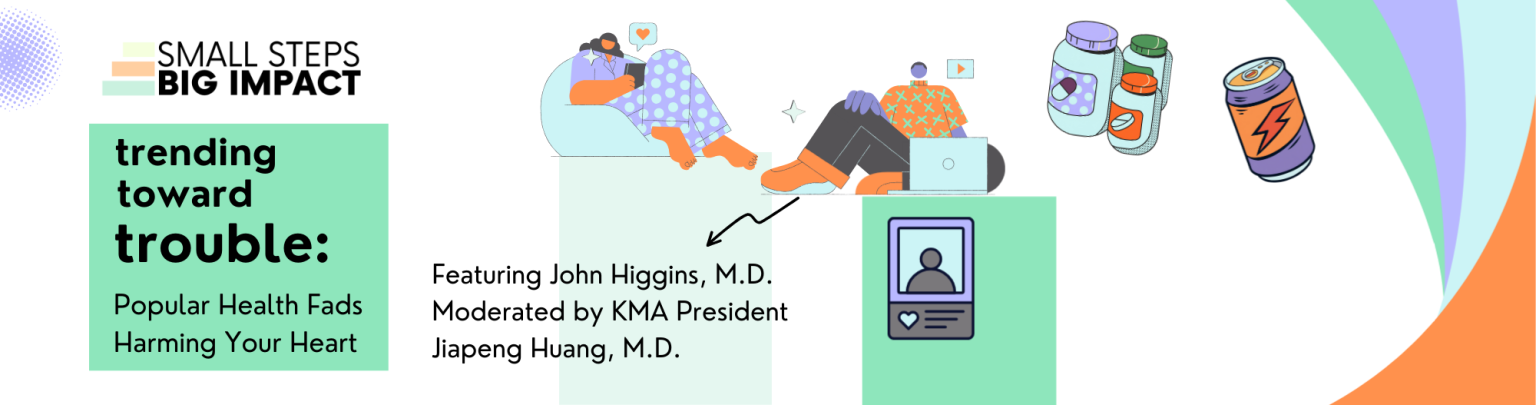
This activity will address the misinformation and risks associated with energy drinks and supplements Through an evidence-based lens, physicians will explore how emerging fads influence patient behavior, clinical outcomes, and population-level cardiovascular risk.
Statement of Need:
- Many energy drinks and supplements are not approved by the FDA and unregulated. In addition, additional sugars and higher levels of caffeine add to the dangers in over consumption.
“The American Academy of Pediatrics discourages the consumption of caffeine and other stimulants by children and adolescents. In recent years, emergency departments have seen a rising trend of children being admitted due to overconsumption of caffeine, also known as caffeine toxicity. Symptoms include vomiting, high blood pressure, racing heart, heart rhythm problems, and, less commonly, disorientation and hallucinations.”
- Harvard Health reports “Research has shown that energy drinks can disrupt normal heart function. People who consume energy drinks experience elevated blood pressure and abnormal electrical activity in the heart for hours afterward — changes that may raise the risk of serious, potentially life-threatening arrhythmias.
Case reports have also linked heavy energy drink use, especially when combined with alcohol or intense physical exertion, to episodes of cardiac arrest.
https://www.health.harvard.edu/nutrition/are-energy-drinks-bad-for-you
https://www.mayoclinichealthsystem.org/hometown-health/speaking-of-health/the-buzz-on-energy-drinks
Objectives:
- Describe strategies for improving health outcomes through communication with patients about possible harm of misuse of energy and supplement drinks.
- Discuss clinical relevance as energy and supplement drinks are common contributor to palpitations, hypertension, arrhythmias, QT prolongation, and emergency department visits
- Describe populations at most risk for cardiovascular considerations when using energy and supplement drinks. Youth, Pregnant women, Caffeine naïve/sensitive, patients taking certain meds e.g. Adderall, consumption within 1–2 hours of exercise increases arrhythmia risk
Disclosure:
The following planners disclose that they have no relevant relationships with ineligible companies whose primary business is producing, marketing, selling, re-selling, or distributing healthcare products used by or on patients:
Miranda Mosley, Rachel Crouch, Emily Schott
The following speakers disclose that they have that they have no relevant relationships with ineligible companies whose primary business is producing, marketing, selling, re-selling, or distributing healthcare products used by or on patients:
John Higgins, M.D.
Commercial Support: There is no commercial support associated with this activity.
Accreditation and Designation:
The Kentucky Medical Association is accredited by the ACCME to provide continuing medical education for physicians.
The Kentucky Medical Association designates this enduring material activity for 1.oo AMA PRA Category 1 credit.™ Physicians should claim only the credit commensurate with the extent of their participation in the activity.
Resources:
Popular Health Fads Harming Your Heart Slide Deck bit.ly/3M4YQ7F
Popular Health Fads Harming Your Heart Handout bit.ly/4kxLVb4
Estimated Time to Complete: This module will take approximately 1 hour to complete.
Method of Participation Used: Participants will view and listen to a recorded lecture while simultaneously viewing slides.
Hardware/Software Requirements: High speed internet connection
Meeting Planner: Miranda Mosley, Rachel Crouch, Emily Schott
Faculty: John Higgins, M.D.
Moderator: Jiapeng Huang, M.D.
Provider Contact Information: Miranda Mosley, Kentucky Medical Association
Copyright: There is no copyright associated with this activity
Release Date: February 2026
Termination Date: February 2027
Click here to access the activity